Introduction
We understand that, for many families, All Saints' Day is a particularly emotive date. Visiting the cemetery, placing flowers and dedicating a moment of silence to those who are no longer with us is one of the most deeply rooted traditions in Spain — a ritual that allows families to come together around the memory of their loved ones. Whether you are preparing your visit or simply wish to learn about the meaning and customs of this celebration, this guide will accompany you with comprehensive and respectful information.
The 1st of November is the main date on which millions of families visit cemeteries to honour their deceased. Although the celebration has a Catholic religious origin, over time it has become a cultural tradition that transcends each individual's particular beliefs. Both families of faith and those who do not profess any religion take part in this day of memory and contemplation.
In this article we explain what is celebrated on the 1st and 2nd of November, what the most common traditions are, what regional customs exist in each autonomous community and how to prepare for the cemetery visit. We also address new ways of honouring memory, including digital memorials, which allow the remembrance of our loved ones to be kept alive beyond the visit to the cemetery.
What Is Celebrated on the 1st and 2nd of November in Spain?
On 1 November, All Saints' Day (Dia de Todos los Santos) is celebrated — a Catholic feast day honouring all saints recognised by the Church. On 2 November, All Souls' Day (Dia de los Fieles Difuntos) is dedicated specifically to the remembrance of deceased persons. In practice, most Spaniards concentrate their acts of tribute on the 1st.
Historical Origin
The celebration has deep roots in the Christian tradition:
- 4th century: The early Church began dedicating days to the collective remembrance of all martyrs and saints.
- 835 AD: Pope Gregory IV officially established 1 November as All Saints' Day for the entire Western Church.
- 998 AD: The Abbot of Cluny, Saint Odilo, instituted 2 November as All Souls' Day, extending the commemoration to all deceased faithful.
However, the traditions of remembering the dead on these dates predate Christianity. On the Iberian Peninsula, the Celtic peoples celebrated Samhain (Samain in Galician), a festival marking the end of the harvest and the beginning of the dark season, when it was believed that the veil between the world of the living and the dead grew thinner. This pre-Roman tradition lives on today in the celebrations of Galicia and Asturias.
Difference Between Both Dates
| Date | Celebration | Nature | National public holiday |
|---|---|---|---|
| 1 November | All Saints' Day (Dia de Todos los Santos) | Honours all saints (known and unknown) | National feast day; in 2026 it falls on a Sunday and does not appear in the table of public holidays |
| 2 November | All Souls' Day (Dia de los Fieles Difuntos) | Remembrance of all deceased persons | In 2026, a public holiday by transfer in nine communities and a working day in the rest |
The working-calendar treatment of these dates changes every year. In 2026, according to the Resolution of 17 October 2025 of the Directorate-General for Labour (BOE of 28 October 2025), 1 November falls on a Sunday and does not appear in the table of public holidays; what does appear is 2 November as the “day after All Saints' Day”, a public holiday in Andalucía, Aragón, Asturias, the Canary Islands, Castilla-La Mancha, Castilla y León, Extremadura, the Community of Madrid and Navarre, and a working day in the Balearic Islands, Cantabria, Catalonia, the Valencian Community, Galicia, the Region of Murcia, the Basque Country, La Rioja, Ceuta and Melilla. In any case, the tradition of visiting the cemetery, cleaning graves and placing flowers is concentrated on the 1st and on the nearest weekend.
Most Common Traditions on All Saints' Day
The traditions of All Saints' Day in Spain revolve around three main themes: the cemetery visit, commemorative gastronomy and religious or remembrance ceremonies. Although customs vary by region, there are common elements repeated throughout the country: flowers (especially chrysanthemums), cleaning of graves and the preparation of traditional sweets.
The Cemetery Visit
The cemetery visit is the central act of the day. Families go to the graves of their loved ones to:
- Clean and tidy the grave: Remove dried leaves, clean the gravestone or niche, and ensure the grave is in good condition.
- Place fresh flowers: The chrysanthemum is the quintessential traditional flower. Its natural flowering coincides with this time of year, which explains its association with the festival. Carnations and white roses are also common.
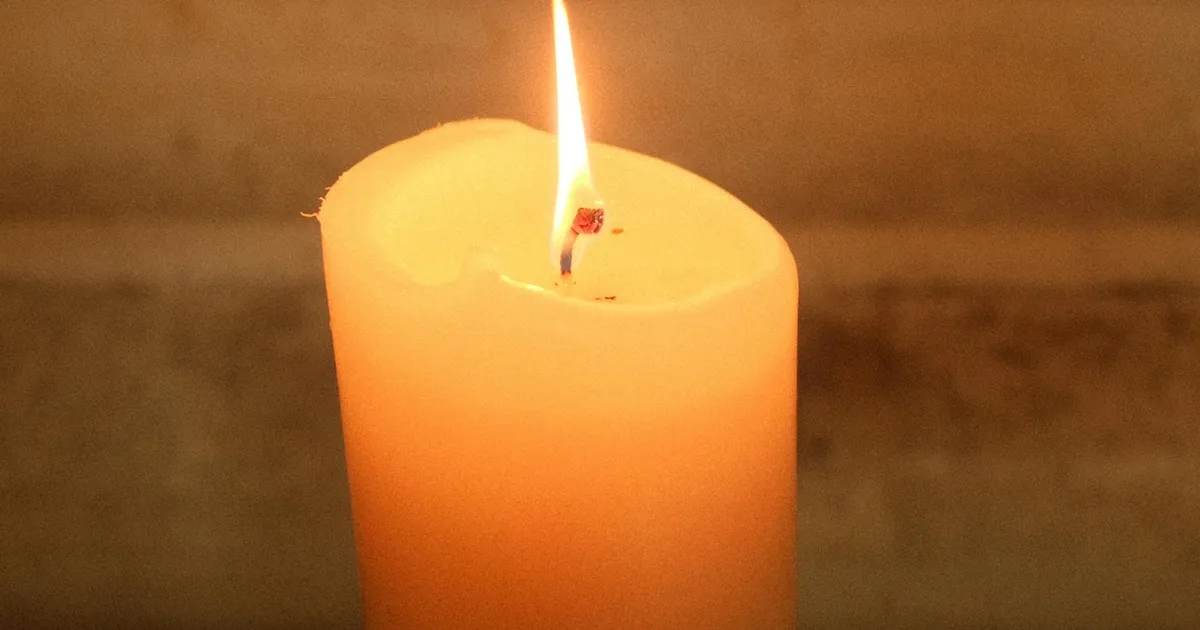
- Light candles: In many parts of Spain, families light candles or small lamps beside the grave as a symbol of remembrance and light.
- Dedicate a moment of contemplation: Praying, observing silence or simply being present beside the grave as an act of tribute.
Cemeteries typically extend their opening hours during the All Saints' weekend to facilitate visits. Many town councils reinforce cleaning, gardening and public transport services to the cemeteries.
Traditional Gastronomy
Each region of Spain has its own sweets associated with this festival, but some are found across much of the country:
| Sweet | Main region | Description |
|---|---|---|
| Huesos de santo | All of Spain (especially Castile) | Marzipan cylinders filled with egg yolk cream. Their shape imitates a bone |
| Bunuelos de viento | All of Spain | Small fried dough balls filled with custard, cream or chocolate |
| Panellets | Catalonia, Valencian Community, Balearic Islands | Small marzipan portions coated in pine nuts or other dried fruits |
| Roasted chestnuts | Galicia, Catalonia, Asturias | Tradition linked to La Castanyada (Catalonia) and Magosto (Galicia) |
| Gachas dulces (sweet porridge) | Andalusia, Castilla-La Mancha | Porridge prepared with flour, milk, sugar and cinnamon |
| Puches | Jaen, Granada | Andalusian variation of gachas, with aniseed and cinnamon |
| Bunuelos de bacalao (cod fritters) | Some areas of Andalusia | Savoury variation that accompanies the celebrations |
Religious Ceremonies
In Catholic parishes throughout Spain, special memorial masses are held on All Saints' Day and All Souls' Day. It is also customary to observe:
- Novena for the deceased: Nine days of communal prayer culminating on 2 November.
- Processions: In some localities, processions are held to the cemetery.
- Collective floral offerings: Organised by confraternities, brotherhoods or neighbourhood associations.
For families who do not profess any faith, the cemetery visit as an act of memory and contemplation holds the same emotional value, regardless of the religious component. Each family experiences this date in the way that is most meaningful to them.
Traditions evolve, memory endures. Nowadays, many families complement the cemetery visit with a digital memorial where they can gather photographs, videos and memories of their loved one. A space accessible all year round, ideal for those who cannot attend the cemetery in person. Discover digital memorials on Kinmory
Regional Customs by Autonomous Community
Spain is a country with a rich cultural diversity, and the traditions of All Saints' Day reflect that variety. Each autonomous community — and in many cases, each locality — preserves its own customs that enrich this date. Below is an overview of the most notable traditions from the main regions.
| Community | Tradition | Description |
|---|---|---|
| Catalonia | La Castanyada | Family celebration with roasted chestnuts, baked sweet potatoes, panellets and muscatel wine. The figure of the chestnut seller (la castanyera) is an iconic symbol |
| Galicia | Samain / Samhain | Ancient Celtic tradition with bonfires, carved pumpkins, costumes and nocturnal processions. Precursor of Anglo-Saxon Halloween |
| Balearic Islands | Nit de les Verges / Ses Verges | In Mallorca, the eve of All Saints' is celebrated with serenades, bunuelos and bonfires |
| Andalusia | Tosantos | In Cadiz, market stalls are decorated with satirical themes. In other areas, sweet porridge and cemetery visits |
| Asturias | Amaguesto / Magosto | Gathering around roasted chestnuts and sweet cider. Bonfires where chestnuts are roasted outdoors |
| Castile and Leon | Huesos de santo tradition | Alongside the sweets, some localities maintain the tolling of bells "for the dead" throughout the night |
| Basque Country | Gaztainerre | Celebration with roasted chestnuts, similar to the Galician and Asturian magosto |
| Canary Islands | Finaos | Family night-time gathering with dried fruits, chestnuts, sweet wine, aniseed and traditional music. A tradition revived in recent decades |
| Extremadura | Chaquetia | Children go from house to house asking for dried fruits and sweets on the eve of All Saints' |
| Aragon | Procession to the cemetery | Tradition of collective visits to the cemetery with communal floral offerings |
Traditions at Risk of Disappearing
Some local customs have been gradually lost in recent decades due to the influence of Anglo-Saxon Halloween and urbanisation. However, various cultural associations and local governments are working to recover these traditions, particularly:
- The Galician Samain, which many municipalities have recovered as a cultural alternative to imported Halloween.
- The Canarian Finaos, which were practically extinct and have been successfully revitalised in numerous municipalities across the archipelago.
- The Extremaduran Chaquetia, which is kept alive in villages and is being reintroduced in cities.
How to Prepare for the Cemetery Visit
Preparing the cemetery visit on All Saints' Day in advance allows you to experience it more peacefully and avoid logistical setbacks. Many cemeteries receive an extraordinary influx of visitors on that day, and a minimal amount of planning ensures the experience is as calm and comforting as possible for you and your family.
Practical Checklist
- Check the cemetery's opening hours: Many cemeteries extend their hours over the All Saints' weekend. Check updated schedules on the town council's website or by telephoning directly.
- Buy flowers in advance: Chrysanthemum and other flower prices rise considerably in the days before 1 November. Buying a week in advance can save between 20% and 40%.
- Bring cleaning materials suited to the stone: plenty of water, a soft-bristle brush and a pH-neutral soap are enough to tidy the gravestone or niche. Avoid vinegar, bleach and any abrasive powder: the National Park Service advises against bleach, strong acids and wire brushes, and recommends cleaning a headstone no more than once a year. We set this out material by material in our guide on how to clean a gravestone without damaging the stone.
- Plan transport: In large cities, access to the cemetery can become congested. Many town councils provide special bus routes. If possible, go early or use public transport.
- Bring candles or small lamps: If it is your family's tradition, do not forget matches or a lighter. Some families prefer LED candles for safety.
- Prepare the children: If attending with children, explain the reason for the visit simply and naturally. For guidance on how to discuss loss with young ones, we recommend our article on how to explain death to a child.
- Comfortable and appropriate clothing: In early November temperatures can be cool. Bring warm clothing and comfortable footwear, especially if the cemetery has uneven terrain.
Typical Opening Hours on All Saints' Day
| Type of cemetery | Typical hours (1 November) | Observations |
|---|---|---|
| Large municipal (Madrid, Barcelona, Seville) | 8:00 - 18:00 or 19:00 | Extended hours compared to normal |
| Medium municipal | 9:00 - 17:00 or 18:00 | Check with the town council |
| Rural / village | Variable | In some villages, open all day |
Tip: If you cannot go to the cemetery on the 1st, the visit can be made at any time over the preceding or following weekend. What matters is the gesture of remembrance, not the exact date.
New Ways to Honour Memory
The tradition of visiting the cemetery remains the most widespread way of honouring the deceased on All Saints' Day. However, in recent years new ways of keeping memory alive have emerged that complement (never replace) traditional customs. Many families, particularly those whose members live in different cities or countries, find in these alternatives a way of participating jointly in the tribute.
The Digital Memorial as a Complement
A digital memorial allows you to bring together photographs, videos, texts and memories of a loved one on a page accessible from any device. Unlike the cemetery visit, which is occasional, the digital memorial is available at any time of year and from anywhere in the world.
Some ways in which families use digital memorials around All Saints' Day:
- Sharing the memorial link with family members who cannot attend the cemetery, so they can participate in the remembrance from afar.
- Adding new memories (old photographs, anecdotes, family videos) as an act of tribute on these dates.
- Placing a QR code on the gravestone or niche that allows cemetery visitors to access the life story of the deceased through their mobile phone. To learn more about this option, see our article on QR codes on gravestones.
Other Forms of Tribute
In addition to the cemetery visit and the digital memorial, there are other ways of honouring memory that many families find meaningful:
- Lighting a candle at home: An intimate gesture that can be performed as a family, accompanied by a moment of silence or conversation about the loved one.
- Preparing traditional sweets: Cooking huesos de santo, bunuelos or panellets can be a way of keeping the tradition alive and passing it on to new generations.
- Planting a tree or a plant: Some families choose to create a living memorial in the form of a tree or garden dedicated to the deceased.
- Writing a letter: Putting feelings or memories into words can be an exercise of great emotional value, particularly for people in the grieving process. If you are going through a difficult time, we recommend our guide on how to cope with grief.
- Making a donation: Contributing to a cause that was important to the deceased as a form of active tribute.
Frequently Asked Questions
What day do people visit the cemetery in Spain, the 1st or 2nd of November?
Although All Souls' Day falls on 2 November, the majority of Spaniards visit the cemetery on 1 November, All Saints' Day. In 2026 that date falls on a Sunday and the working holiday moves to Monday 2 November in Andalucía, Aragón, Asturias, the Canary Islands, Castilla-La Mancha, Castilla y León, Extremadura, the Community of Madrid and Navarre. Many cemeteries extend their opening hours throughout the nearest weekend to 1 November to accommodate the influx. In villages and small towns, it is also common to attend on the preceding Sunday.
What flowers are taken to the cemetery on All Saints' Day?
The chrysanthemum is the quintessential traditional flower in Spain for All Saints' Day. Its natural flowering coincides with this time of year, and its association with the remembrance of the dead is deeply rooted in Spanish culture. White and red carnations, white roses and lilies are also common. Flower prices increase considerably in the weeks leading up to 1 November, so it is advisable to buy in advance.
Is All Saints' Day a public holiday throughout Spain?
All Saints' Day is a national feast day, but its effect on the working calendar depends on the year. In 2026 it falls on a Sunday and, according to the Resolution of 17 October 2025 of the Directorate-General for Labour (BOE of 28 October 2025), it does not appear in that year's table of public holidays: what appears is 2 November as the “day after All Saints' Day”, a public holiday in Andalucía, Aragón, Asturias, the Canary Islands, Castilla-La Mancha, Castilla y León, Extremadura, the Community of Madrid and Navarre, and a working day in the Balearic Islands, Cantabria, Catalonia, the Valencian Community, Galicia, the Region of Murcia, the Basque Country, La Rioja, Ceuta and Melilla. Each municipality also sets its own local holidays.
Are there distinct regional traditions for All Saints' Day?
Yes, Spain preserves a rich variety of regional customs for this date. In Catalonia, La Castanyada is celebrated with roasted chestnuts and panellets. In Galicia, the Samain — of Celtic origin — is kept alive with bonfires and pumpkins. In the Balearic Islands, the Verges are celebrated with serenades and bunuelos. In the Canary Islands, the Finaos bring families together with dried fruits and traditional music. Throughout virtually all of Spain, sweets such as huesos de santo and bunuelos de viento are prepared.
Summary
- 1 November (All Saints' Day) is the main date on which families visit the cemetery. In 2026 it falls on a Sunday and does not appear in the BOE table of public holidays.
- 2 November is, in 2026, a public holiday by transfer in Andalucía, Aragón, Asturias, the Canary Islands, Castilla-La Mancha, Castilla y León, Extremadura, the Community of Madrid and Navarre, and a working day in the Balearic Islands, Cantabria, Catalonia, the Valencian Community, Galicia, the Region of Murcia, the Basque Country, La Rioja, Ceuta and Melilla.
- The chrysanthemum is the traditional flower of this date. Buying in advance can save between 20% and 40%.
- Each autonomous community has its own customs: La Castanyada (Catalonia), Samain (Galicia), Finaos (Canary Islands), Verges (Balearic Islands) and huesos de santo and bunuelos de viento across much of the country.
- The cemetery visit can be prepared in advance: check opening hours, bring cleaning materials, plan transport and buy flowers in good time.
- New ways of honouring memory exist that complement the tradition: digital memorials, QR codes on gravestones, letters of remembrance and community tributes.
- The tradition has a Catholic religious origin, but its cultural dimension makes it accessible to all families, regardless of their beliefs.
Related Articles
- Eco-Friendly Funeral in Spain: Sustainable Options -- Environmentally respectful alternatives for the farewell.
- What Is a Digital Memorial? -- How a remembrance page works and why an increasing number of families use one.
- QR Code on Gravestones: Complete Guide -- How to add a QR code to the gravestone or niche so visitors can access the life story of the deceased.
- How to Cope with Grief -- Emotional support guide for dealing with the loss of a loved one.
Modern Families Complement Traditions with Digital Memorials
On All Saints' Day, those who cannot go to the cemetery can honour the memory from anywhere. Create a digital memorial on Kinmory with photographs, videos and memories of your loved one. Share the link with family members who are far away and keep the memory alive together.